GBR Paving Services
Seal Coating & Parking Lot Improvements
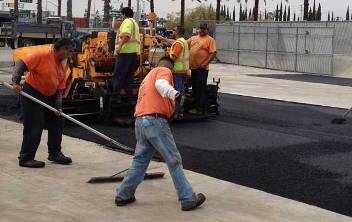
Crack sealing, GuardTop seal coating, striping, signage, wheel stops, and precision concrete grinding.
Crack & Seal Coat — Preventative Maintenance
Why Crack Filling & Sealcoating?
Protection
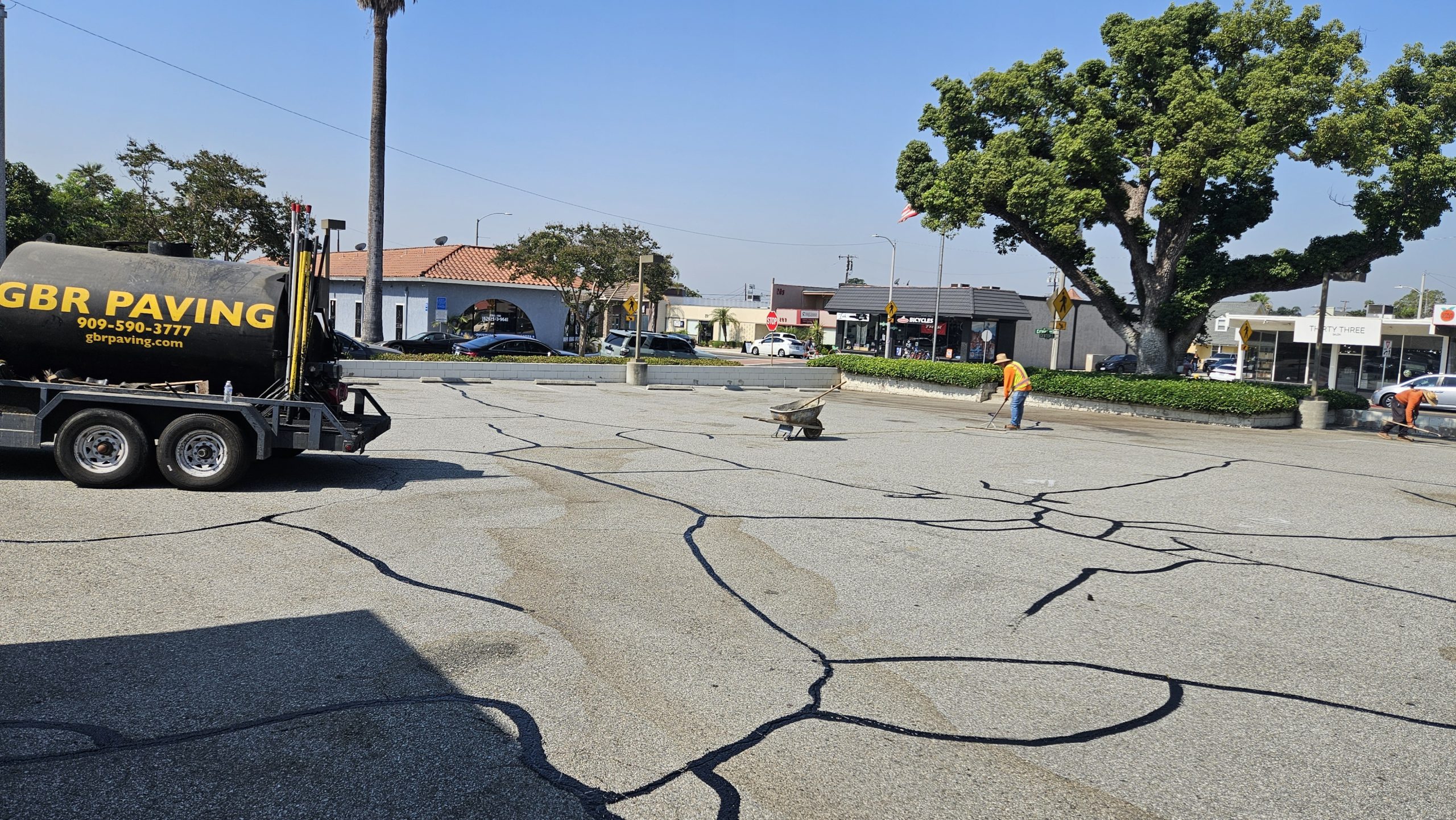
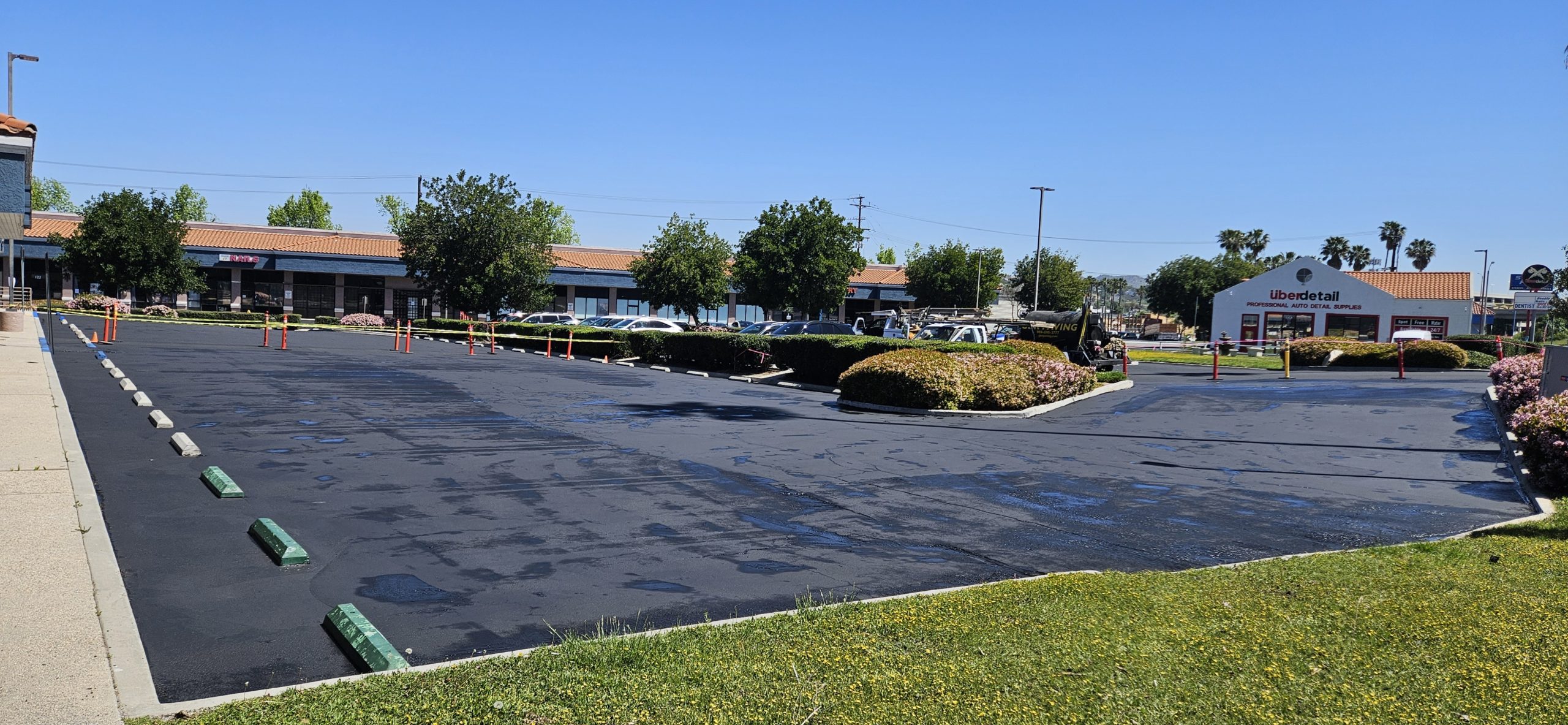
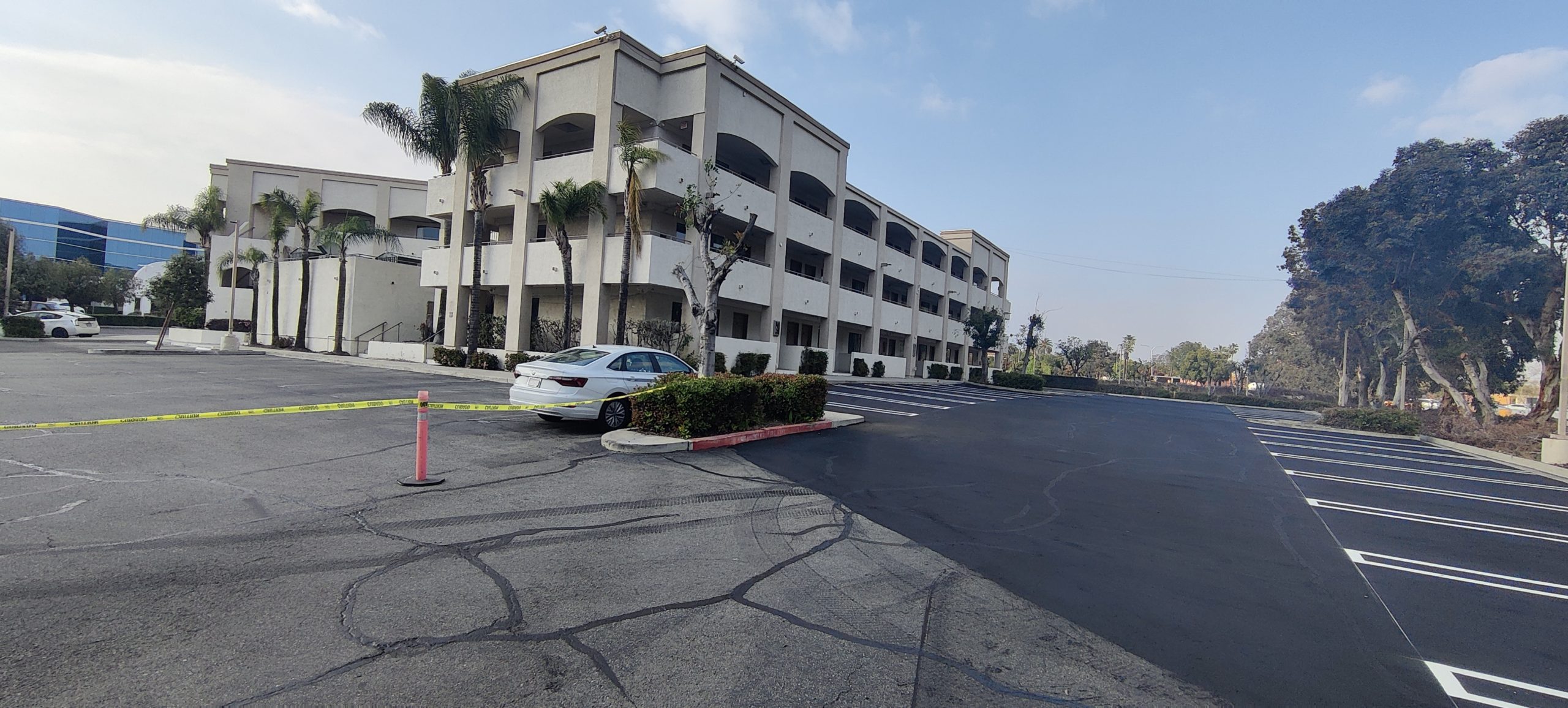
As asphalt pavements age, they oxidize and shrink, causing random cracking throughout the pavement. Cracks lead to potholes. Properly sealing asphalt cracks as they appear can more than double the effective life of the pavement. This is the best time to repair cracks and apply one or two coats of SEAL.
Cost Effectiveness
Allowing the asphalt to age without maintenance cracking allows water to collect and penetrate the surface. Once water damages the base or sub-base, the asphalt will break, creating alligator-cracking areas. If visible cracking has occurred, then major repairs are needed. Regular asphalt maintenance with SEAL can prolong the life of your asphalt at a fraction of the cost.
Aesthetics
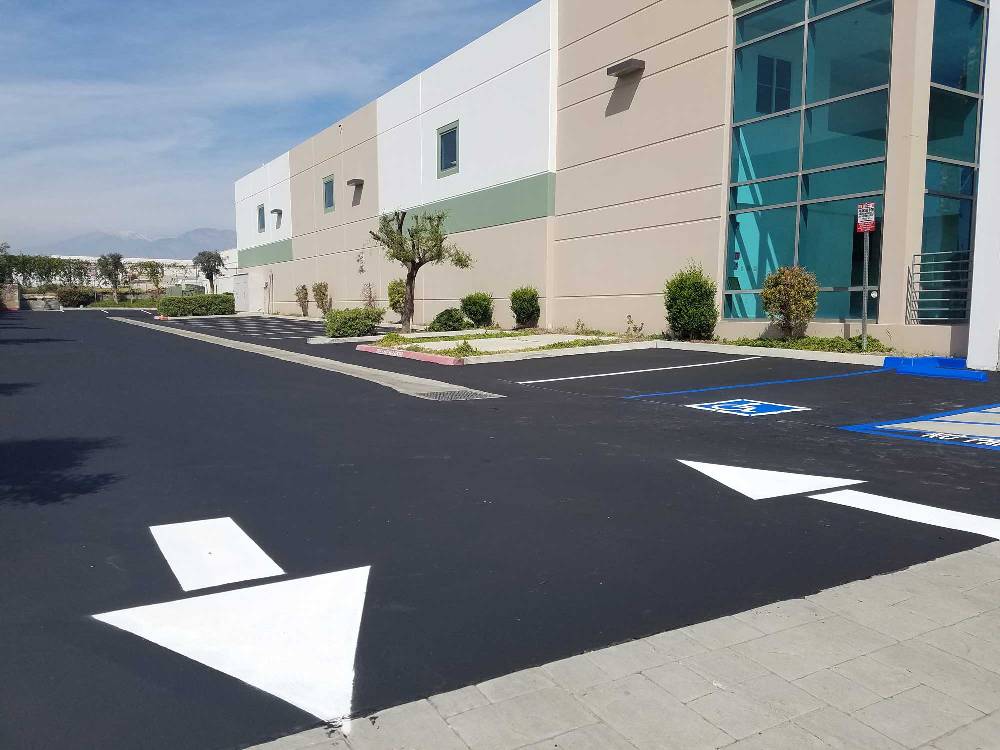
SEAL COATING adds property value and overall appearance with a rich black finish. Since GuardTop is designed to outlast other competing products, fewer applications are required — meaning lower overall life-cycle costs and less inconvenience to our customers.
Crack Sealing
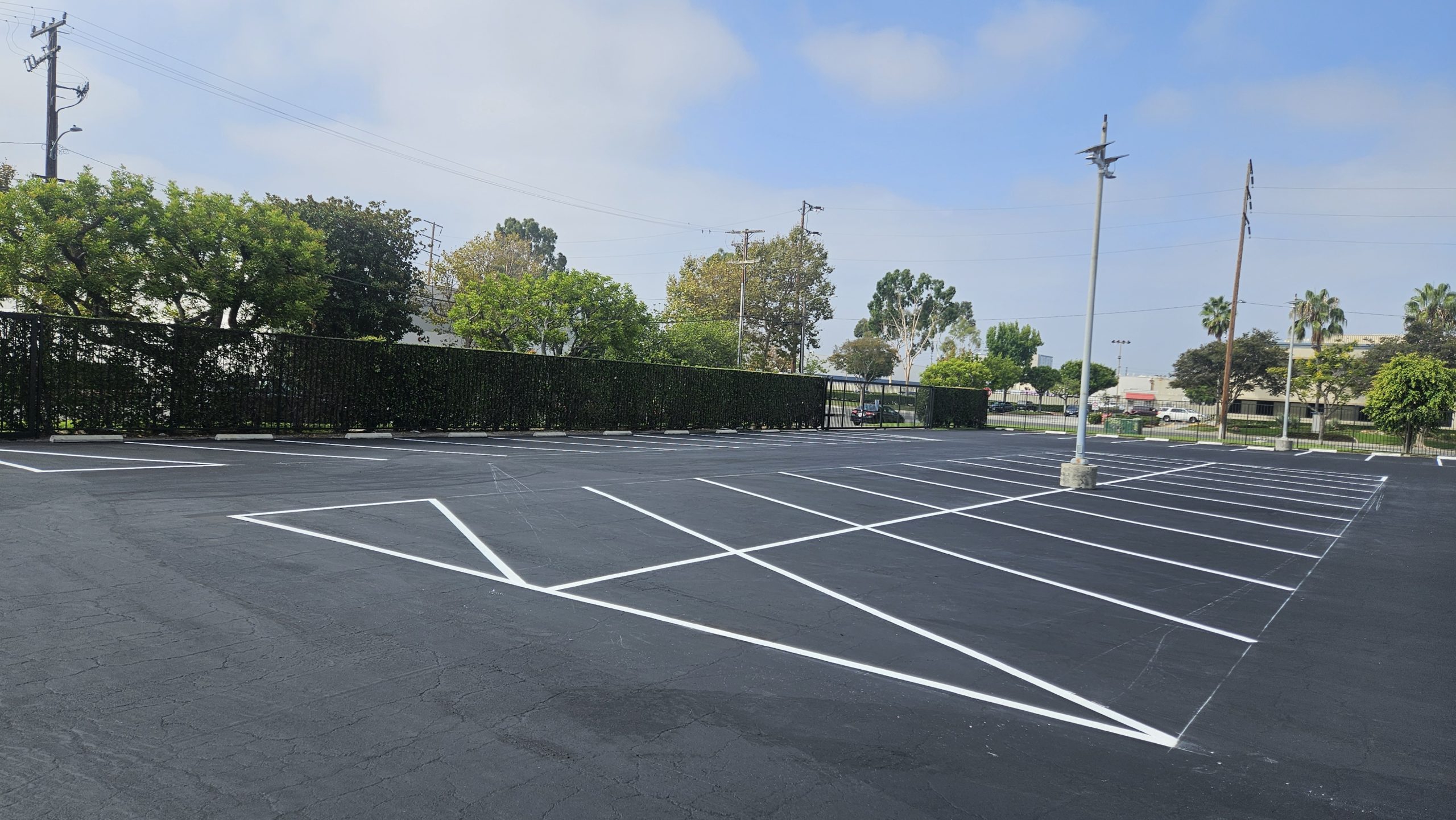
Sealcoating — Your Asphalt Looks Better, Longer
Striping
Paint & Thermoplastic Striping
Paint Striping
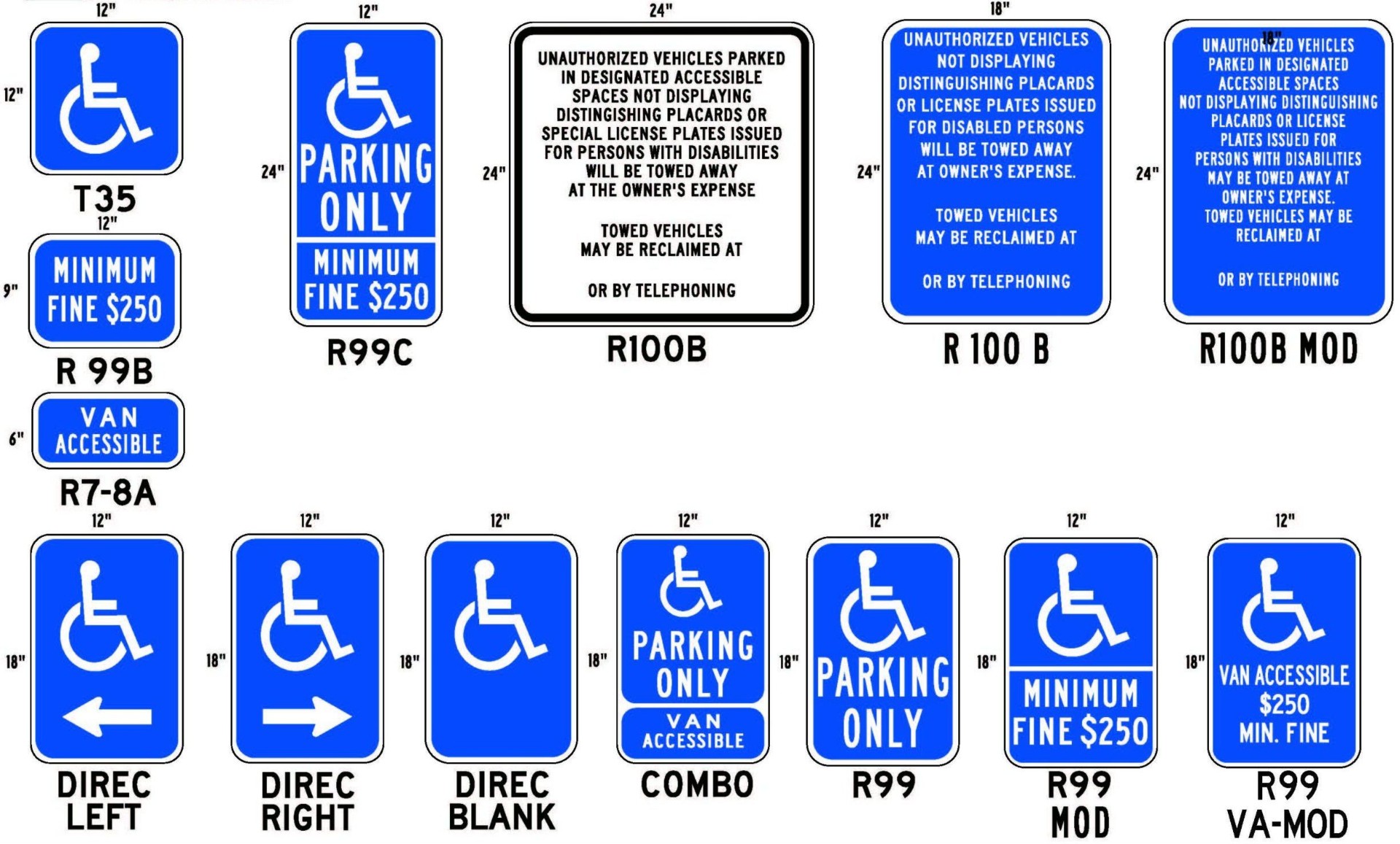
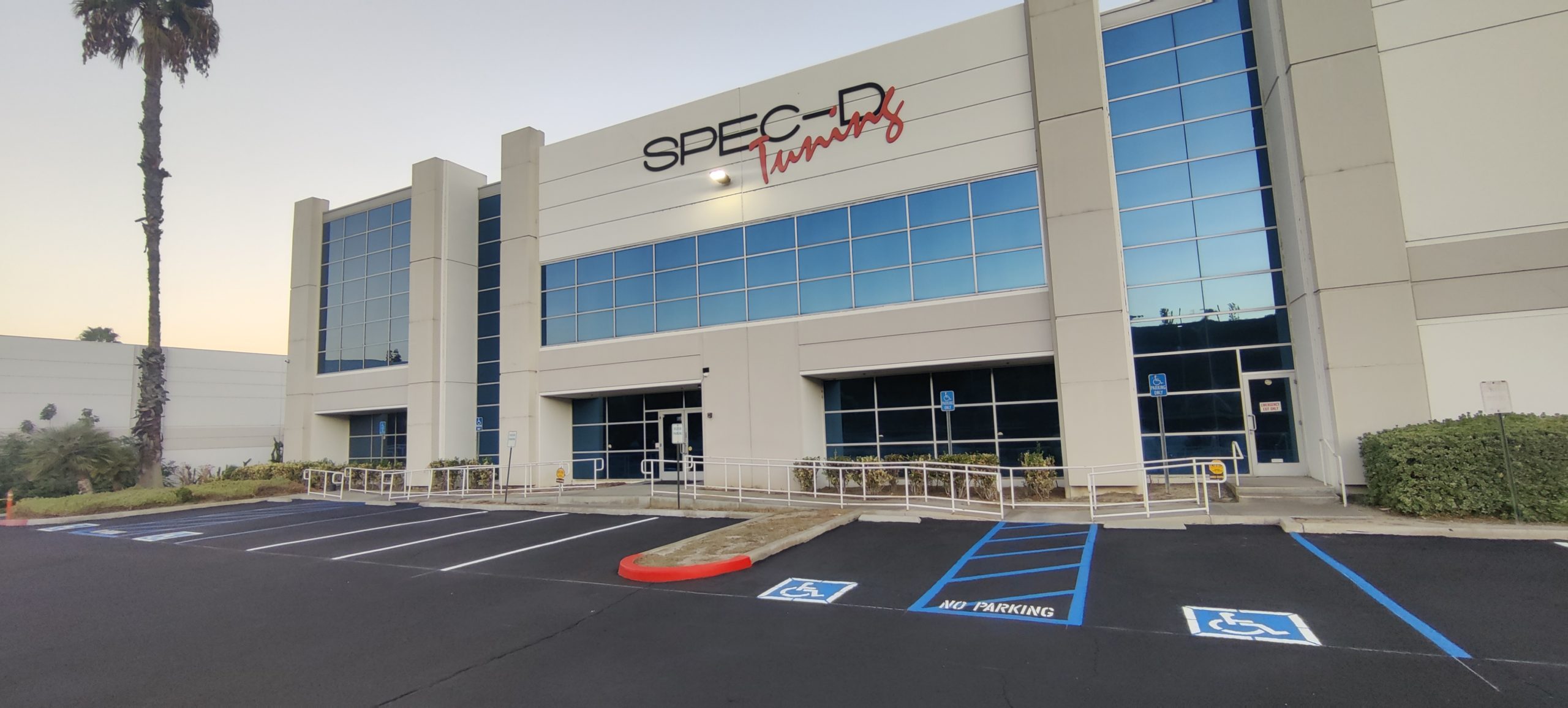
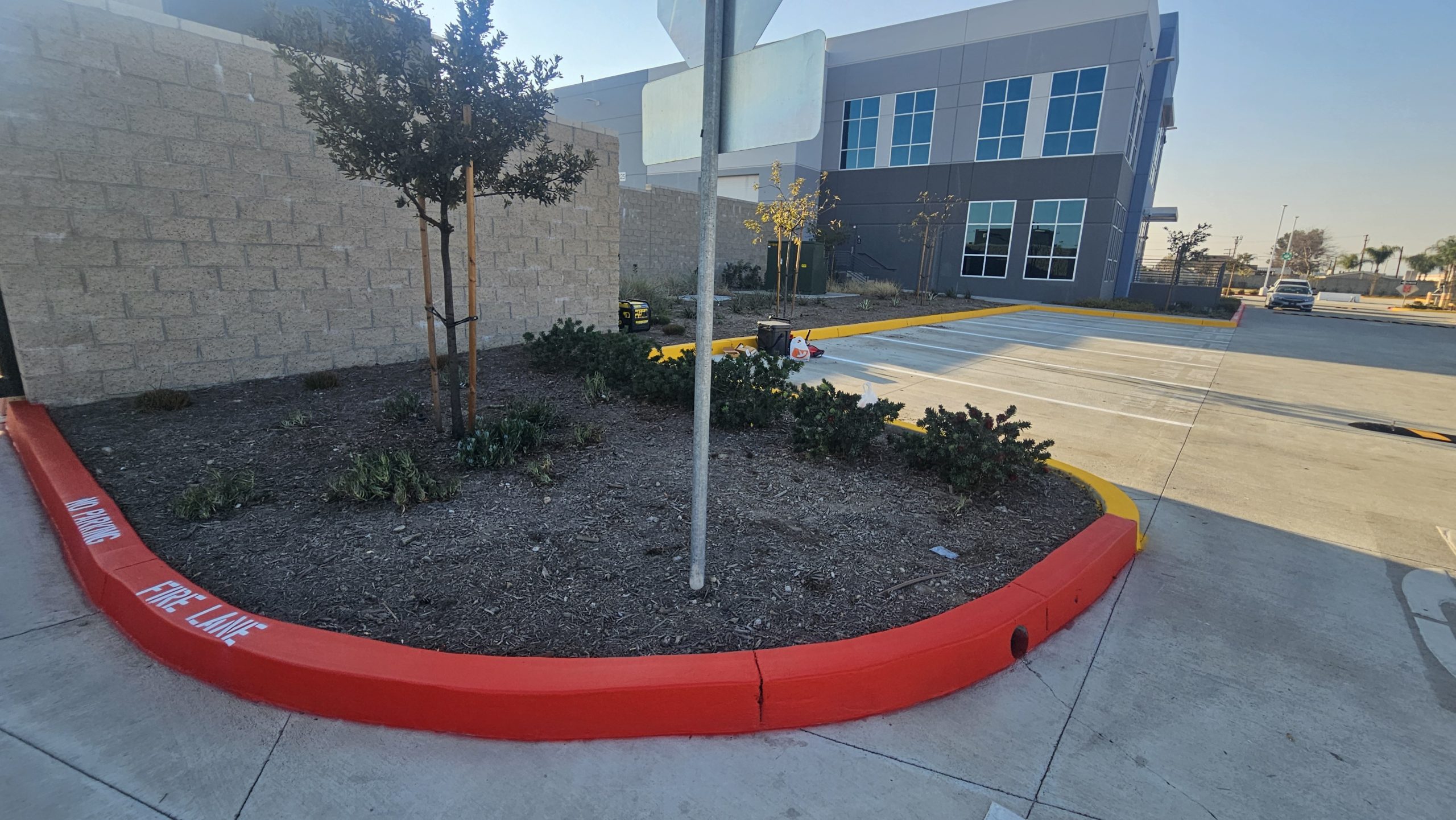
Paint striping is normally done after a seal coat, but customers are often looking for a corporate-image refresh as well. Most common colors are white, yellow, and green — and blue for all ADA compliance. Parking lots are usually spray-painted with 4" single or double lines, plus road surface markings: arrows, names, numbers, and more.
Thermoplastic Striping
Thermoplastic road-marking paint — also called hot-melt marking paint — is a powder paint heated in a kettle to 200°C (392°F), then sprayed onto the road surface where it cools into a line. The coating is thick, wear-resistant, bright, and reflective. Reflective glass beads are added to improve antiskid performance. Thermoplastic is highly effective for large anti-skid areas on roads, pedestrian walkways, car parks, and factory walkways. It can be produced in any color, dries fast, and can be driven over after just a few minutes.
Signage
An Effective Parking Lot Sign Program
The development of an effective parking-lot sign program requires the coordination of several interrelated criteria. An effective sign program must take into account the following:
- Circulation system in the parking lot
- How visitors currently drive around and through the lot
- Where you want visitors to park vs. staff
- Disabled access parking locations
- Desired path of travel on the roadway system
- Pedestrian path from parking to building entrances
- Location of building entrances relative to parking
- Availability and voltage of electricity at sign locations
- Adequate light on and around directional signs
- Placement of signs where people expect them
These elements establish the basis of a clear sign program that communicates and informs in a direct, simple manner. A parking-lot sign program that works well is one planned as an integrated whole — from vehicle directional signs, pedestrian directional signs, building and entrance identification, through parking-lot exit signs. The program also needs to be coordinated with an organized parking plan for both visitors and staff. Visitors need wayfinding information; staff generally do not. In split-use facilities with separate "visitor" and "staff" sections, only the visitor area requires wayfinding signage.
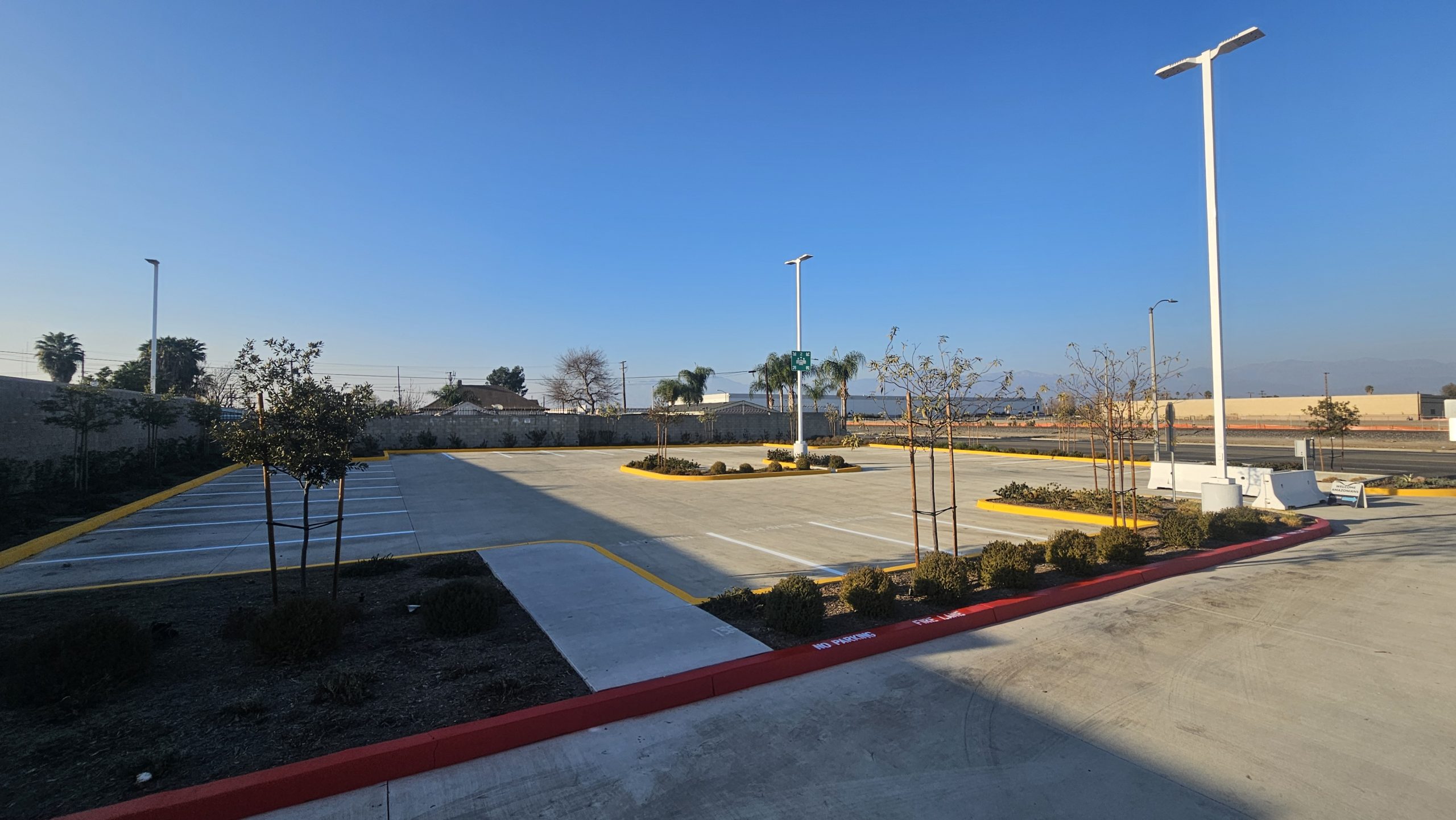
Wheel Stops — Parking Curbs, Bumpers & Bollards
Concrete Grinding
Trip Hazard Removal
Tree roots, weather, and soil settlement are the primary causes of raised sidewalks.
Raised sidewalks create TRIP HAZARDS causing INJURIES — and injuries result in LAWSUITS.
GBR Concrete Sidewalk Grinding uses a Precision Concrete Cutting Method for removing trip hazards from uneven sidewalks and other concrete walkways. The Precision Concrete Cutting Method has been used across the nation for over fifteen years. We'll help bring your sidewalks into compliance with the Americans with Disabilities Act (ADA) using a method more effective and less expensive than conventional scarifiers, concrete grinders, or removal and replacement.
Common Causes of Trip Hazards
Concrete sidewalks raise in elevation — and create hazards for pedestrians — due to:
- Tree roots growing under slabs pushing upwards
- Heaving and settling due to frost
- Buckling due to displacement of sub-base
- Mobility-impaired pedestrians: difficulty lifting feet or crutches
- Visually impaired pedestrians: difficulty detecting elevation changes
- Wheelchair users: inability to roll over steep elevation changes
Keep the Sidewalk, Remove the Liability
Our process ensures an ADA-compliant slope of 1:8 on sidewalk panels and 1:12 slope on handicap-accessible areas — without tearing out and replacing the slab.
ADA Compliance
The ADA defines a 'trip hazard' as any vertical change of 1/4 inch or more at any joint or crack. Since the ADA demands strict compliance, trip hazards represent a legal liability. Cities, school districts, hospitals, churches, shopping malls, universities, apartment complexes, and other large facilities are all extremely concerned with this liability.
Trip Hazard Removal Applications
Customer Satisfaction
GBR Concrete Sidewalk Grinding inspects the grounds before any work is done to ensure all concrete trip-hazard areas receive 100% service satisfaction. Concrete cracks 1/4" and bigger are also filled to ensure a level surface.
GBR Concrete Sidewalk Grinding prides itself on providing professional, on-time work while still maintaining an excellent reputation. We also respect our clients' confidentiality.
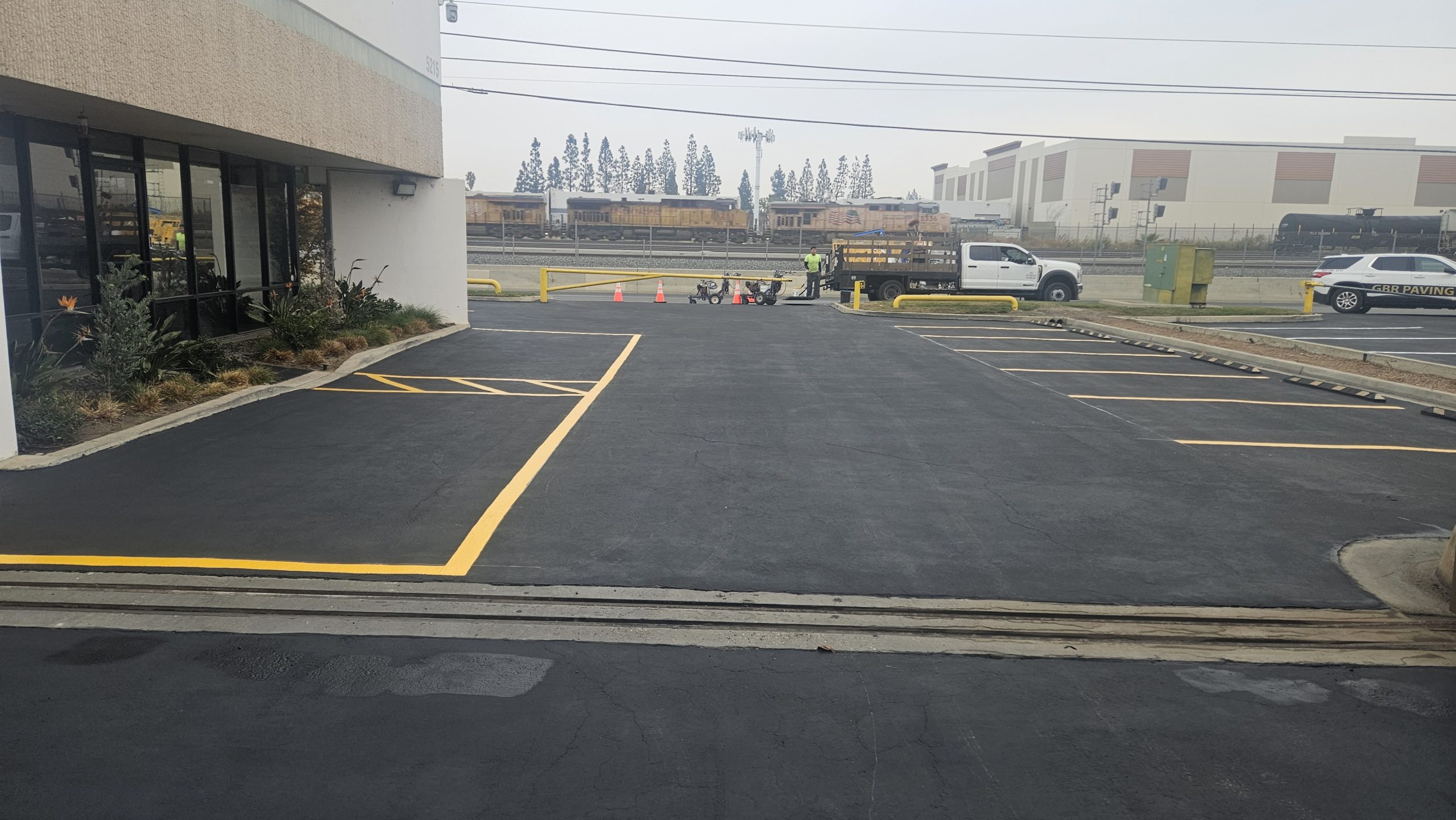
Before & After Gallery
Related Services